
Shin Splints Care and Prevention
Relief and prevention for painful shin splints, with stretching guidance, corrective footwear, and custom orthotics.
Understanding Shin Splints
What shin splints are, why they happen, and how to address the pain.
Shin Splints: Causes and Care
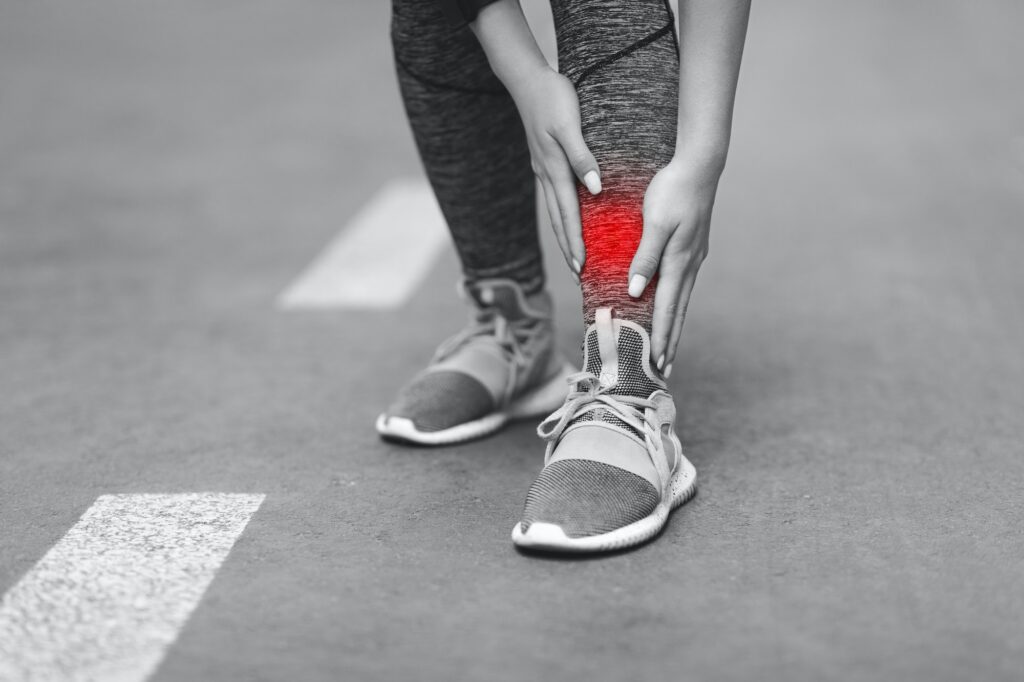
Shin splints are painful sensations on the sides of the leg bone caused by muscle or tendon inflammation, usually seen in athletes. The discomfort typically runs along the inner edge of the shin and can range from a dull ache to a sharp, persistent pain that worsens with activity.
Runners, dancers, and athletes involved in repetitive, high-impact sports are most likely to develop shin splints. Sudden increases in training intensity, running on hard surfaces, worn-out footwear, and biomechanical issues such as flat feet or overpronation can all place added stress on the muscles and tendons that attach to the shin bone.
Common signs to watch for include tenderness along the inner shin, mild swelling, and pain that eases with rest but returns when activity resumes. If pain persists after several days of rest, becomes severe, or is accompanied by significant swelling, it is important to have your leg evaluated. These symptoms can sometimes point to a stress fracture or another condition that needs medical attention.
At Desert Foot and Ankle, evaluation begins with a review of your activity history, footwear, and gait, along with a physical exam of the lower leg. Imaging may be recommended if a stress fracture is suspected. From there, we build a care plan that addresses both the current pain and the underlying causes, so you can return to activity with confidence.
Preventing Shin Splints and Staying Active
Prevention plays a central role in managing shin splints, especially for athletes and active individuals who want to stay in their sport without recurring pain. Proper stretching before and after exercising can drastically reduce the occurrence of shin splints. Warming up gradually and cooling down with focused calf and lower leg stretches helps prepare the muscles and tendons for the demands of activity.
Footwear is another key factor. Corrective shoes and orthotics can also aid in the prevention of shin splints by supporting the arch, improving alignment, and cushioning the impact of each step. Replacing running shoes before they lose their support is a simple habit that makes a meaningful difference.
Gradual progression matters too. Increasing mileage, speed, or intensity too quickly is one of the most common triggers for shin splints. A steady build in training, along with cross-training on lower-impact activities such as swimming or cycling, gives the lower legs time to adapt.
If shin splints do develop, rest, ice, and reduced activity are typically the first steps, followed by a return to exercise once symptoms resolve. Patients who address footwear and training habits alongside recovery tend to see the best long-term results and fewer flare-ups down the road.
Shin Splints Care Near You
Find a Desert Foot and Ankle location offering care for shin splints.


Don’t let shin pain keep you sidelined from the activities you love.
We’re here to help you get back on your feet with care that fits your life.