
Ingrown Toenail Treatments in Arizona
Relief from painful ingrown toenails with expert care that prevents infection and helps you get back on your feet.
What You Need To Know
Understanding ingrown toenails, why they happen, and when to see a podiatrist.
Understanding Ingrown Toenails
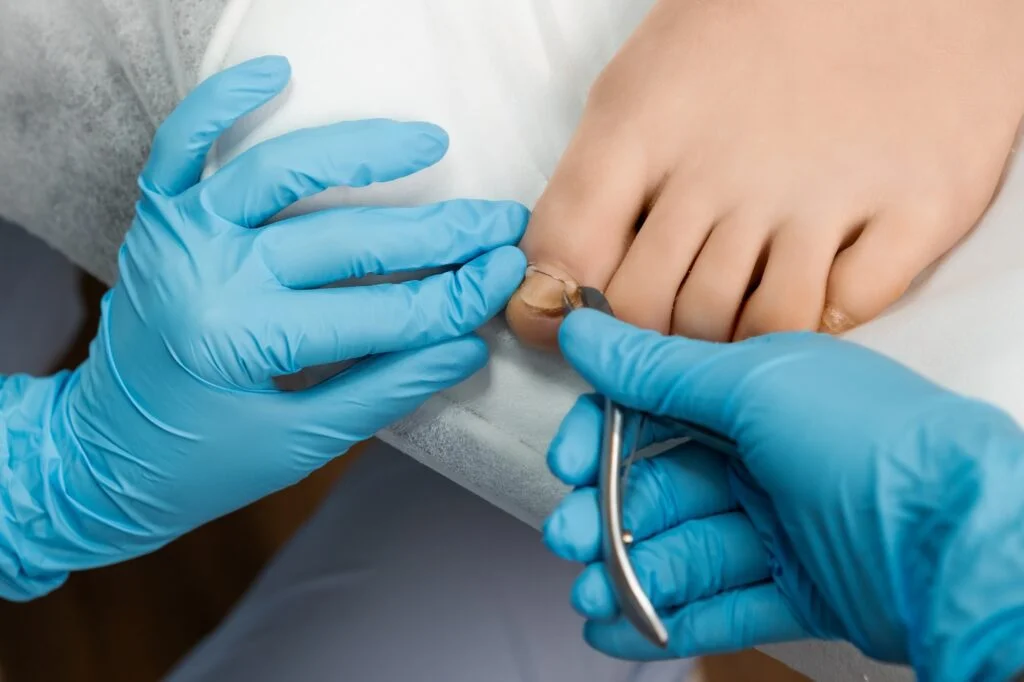
An ingrown toenail occurs when the corner of your toenail grows downward into the adjacent skin, digging painfully into the soft flesh. This common condition can affect any toe, but the big toe is most often affected. When a toenail is ingrown, it is curved downward or flared out and grows into the skin, usually at the sides of the nail. This irritates the skin, which may create pain, redness, swelling, and warmth in the toe.
The most common signs of an ingrown toenail include tenderness or pain along one or both sides of your toenail, a red area around your toenail, swelling near the sides of your toenail, heat coming from the painful or swollen area, and pus leaking from the reddened area of your toe. If an ingrown nail eventually cuts into the skin, bacteria may enter and cause an infection, often marked by increased pain, redness, swelling, drainage, and a bad odor.
Causes include heredity, trauma such as stubbing your toe, improper trimming (cutting your nails too short is the most common cause), improperly sized footwear, and nail conditions like fungal infection. It is important to trim your toenails straight across rather than rounding the edges.
Anyone can get an ingrown toenail, but your risk of complications is higher if you have diabetes, poor blood circulation, or nerve damage in the leg or foot. Without proper treatment, an ingrown toenail may lead to a serious infection. If you have noticed any signs above, even if there is no pain yet, we highly recommend that you come in to be evaluated.
Treatment, Prevention, and What to Avoid
First, we carefully evaluate your foot and review your medical history. Then, you receive an individualized treatment plan that may include a prescription for topical or oral medication. If an infection is present, an oral antibiotic may also be prescribed. Your provider may place a splint under the nail to help it grow away from the skin and relieve discomfort.
Sometimes a minor surgical procedure, often performed in the office, will ease the pain and remove the offending nail. After an injection with a local anesthetic, the doctor removes part of the nail’s side border. If ingrown toenails are a chronic problem, your provider may partially or completely remove the nail using a chemical, laser, or other methods. A simple bandage is applied afterward, and most people experience very little pain and may resume normal activity the next day or two.
Avoid the temptation of bathroom surgery. Do not cut a notch in the nail; this does not reduce the tendency for the nail to curve downward and can become an entry point for fungi. Do not place cotton under the nail, as it provides a place for harmful bacteria to grow. Over-the-counter topical medications may mask the pain but do not correct the underlying problem.
Many cases can be prevented with proper trimming and proper-fitting shoes and socks. Cut toenails in a fairly straight line and try not to cut them too short. If you are suffering from ingrown toenails, do not hesitate to reach out so we can develop an effective treatment course and get you back in action as soon as possible.
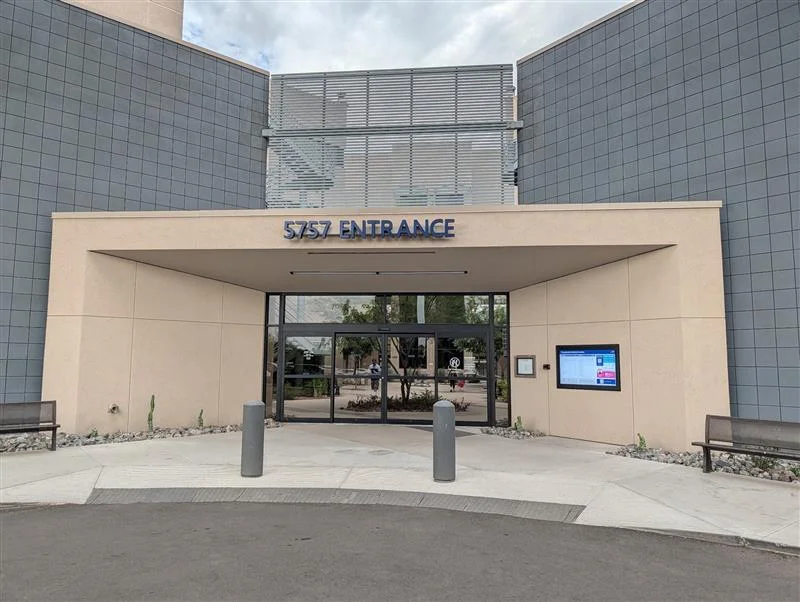
Find Ingrown Toenail Care Near You
Visit one of our convenient locations for expert ingrown toenail treatment.

Don’t let an ingrown toenail turn into something serious, let’s get you comfortable again.
We’re here to help you find relief quickly. Book your visit today.