
Chronic Pain and Conditions Care
Lasting relief for persistent foot and ankle pain, from heel pain and neuromas to arthritis and bony deformities.

What You Need To Know
Understanding the common chronic foot and ankle conditions we diagnose and treat.
Chronic Foot and Ankle Conditions
Chronic foot and ankle pain can take many forms, from persistent heel pain and ankle instability to bony deformities like Haglund’s deformity, hallux rigidus, and tailor’s bunion. Other common sources of long-term discomfort include neuromas, ganglion cysts, and plantar fibromas. Each condition has its own causes and treatment pathways, but they share one thing in common: the longer they go untreated, the harder they can be to resolve.
Symptoms vary by condition. Ankle pain may bring instability, stiffness, swelling, and difficulty walking. Heel pain often shows up as sharp discomfort with your first steps in the morning. Neuromas cause burning, tingling, or the feeling of a pebble stuck in your shoe. Haglund’s deformity and tailor’s bunion produce redness, swelling, and pain where shoes rub against the enlargement. Plantar fibromas feel like firm nodules on the arch that hurt with each step.
Causes range widely. Some conditions stem from inherited foot structure, such as high arches, flatfeet, or a tight Achilles tendon. Others develop from overuse, repetitive stress, poor footwear, or previous injuries that did not heal properly. Arthritis, gout, and other systemic conditions can also contribute to chronic joint pain.
Seeing chronic pain as a normal part of life is a dangerous way of thinking. The sooner these conditions are evaluated, the more effective treatment tends to be. Your podiatrist will take a thorough history, examine your foot, and order X-rays or additional imaging when needed to guide your care.
Treatment Options for Chronic Conditions
We address chronic foot and ankle problems with treatments that are as conservative and minimally invasive as possible. Surgery may be required in some cases, but we do not opt for it unless absolutely necessary. Most patients respond well to nonsurgical care when treatment begins early.
Conservative options are tailored to your condition. For ankle pain, treatment may include rest, immobilization, ice therapy, bracing, physical therapy, and steroid injections. For heel pain and Haglund’s deformity, we use stretching programs, heel pads, orthotic devices, NSAIDs, and shoe modifications. Neuromas often respond to padding, wider toe box footwear, custom orthotics, and injection therapy. Hallux rigidus and tailor’s bunion are frequently managed with orthotics, activity changes, and anti-inflammatory medications.
For stubborn cases, advanced options may be considered. Shockwave therapy, is a non-invasive treatment that stimulates healing in damaged tissue without cutting or downtime. Enzyme injections combined with shockwave and topical therapy can help reduce plantar fibromas. Ultrasound-guided injections improve accuracy and reduce discomfort.
When surgery is needed, we take a targeted approach based on the extent of your condition, your age, activity level, and imaging findings. Many procedures are performed outpatient and allow protected walking soon after. Your podiatrist will discuss the recovery timeline and long-term measures to keep symptoms from returning.
Related Services
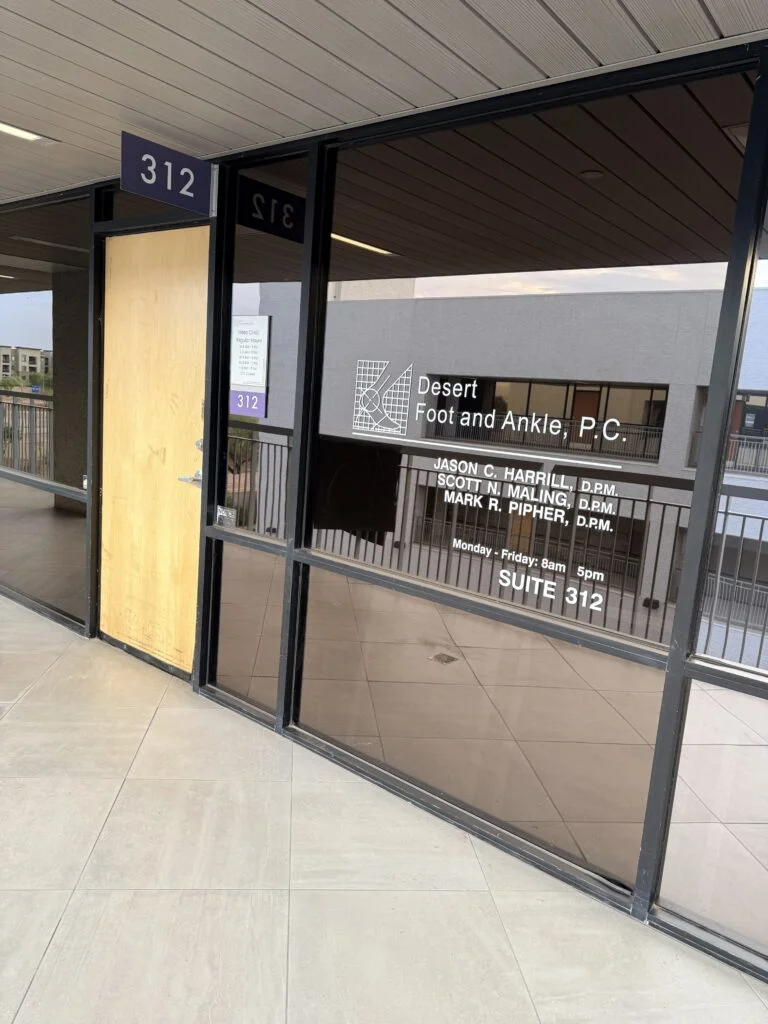
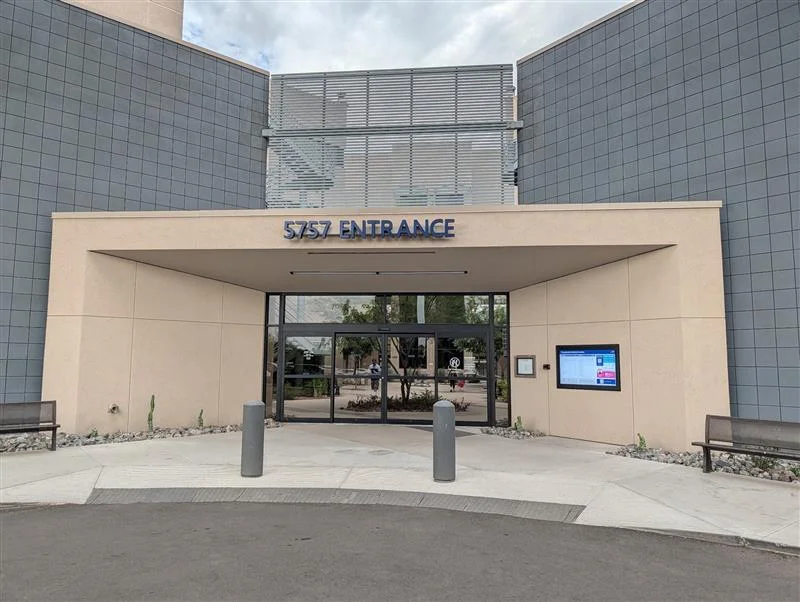
Where To Find Care Near You
Visit one of our convenient locations for expert treatment of chronic foot and ankle pain.
Don’t let chronic foot pain slow you down any longer, let’s get you back on your feet.
We’re here to help you find lasting relief with a plan built around your needs.